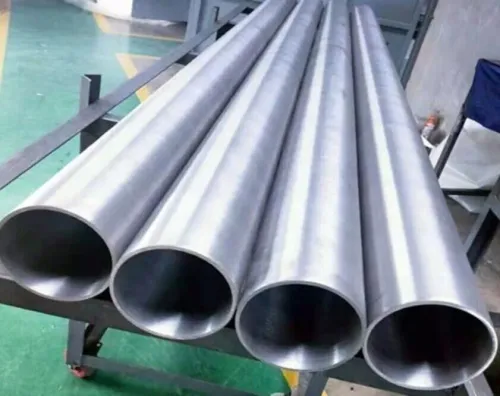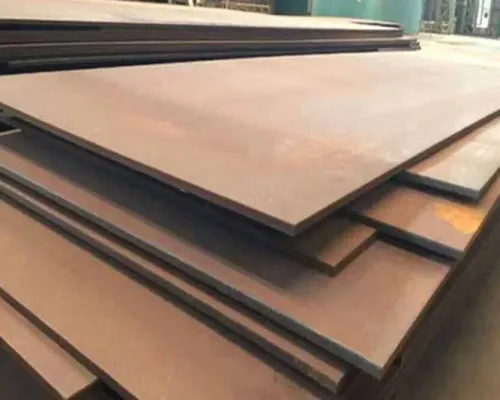


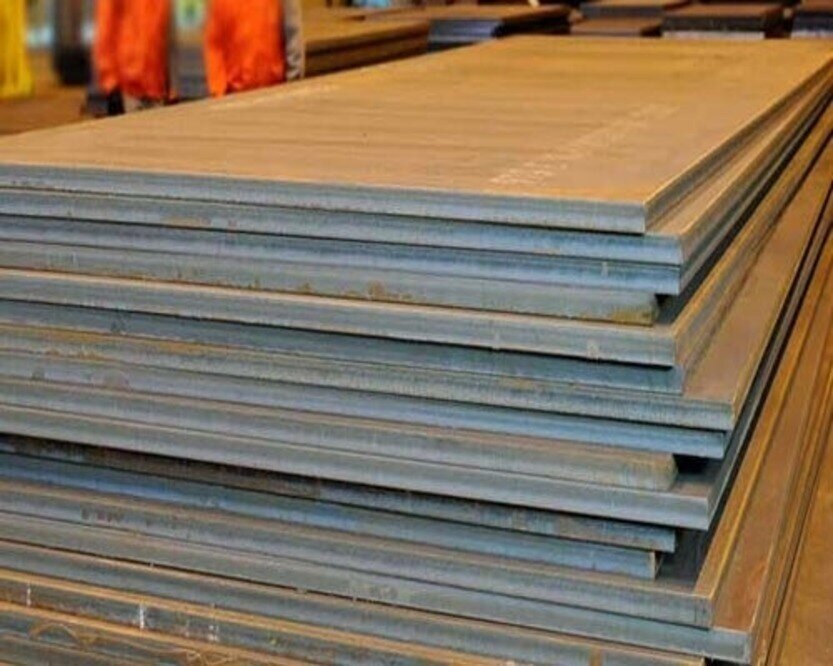
A plate described as “700 grade” is not automatically genuine Strenx 700, and 16Mo3 is not a generic substitute for every pressure-vessel steel. You will be able to identify the exact grade, compare its engineering role, specify the required documents and dimensions, and test whether an Indian supplier is a manufacturer, stockist, processor or importer.
Key takeaways
- Ask for SSAB-linked documents proving genuine Strenx 700 plate.
- Check yield strength, tensile strength, impact testing and thickness limits.
- Use 16Mo3 for pressure equipment designed for elevated-temperature service.
- Specify plate sizes, tolerances, certificates and inspection requirements before ordering.
How to verify whether you are buying genuine Strenx 700 or a 700-grade substitute
A genuine Strenx 700 plate is identifiable by SSAB-linked documentation, not by the words “700-grade” on a quotation. Strenx is SSAB’s proprietary brand, so a seller claiming to be a Strenx 700 plates manufacturer in India must identify the producing mill and provide the applicable SSAB product documentation.
Use this verification procedure before approving the material:
- Request the original mill test certificate, not a retyped certificate. It must show the producing mill, heat number, plate number, grade designation, thickness, chemical analysis, tensile results and yield strength.
- Match the heat and plate numbers stamped or transferred to the delivered plate with the certificate. A broken traceability chain makes the document insufficient.
- Confirm the complete designation, such as Strenx 700 E, F or O, plus delivery condition and thickness. The 700 class does not guarantee 700 MPa yield strength at every thickness.
- Ask how the supplier made the plate. Rolling at its own identified mill supports a manufacturer claim; purchasing and reselling supports a stockist, distributor or importer claim.
- Treat cutting, beveling, plasma profiling or drilling as processing, not plate manufacture. Those services do not create Strenx certification.
“High strength alloy steel plates India” is a search category, not a grade. If the evidence names only a substitute grade, you are not buying Strenx 700.
Which Strenx 700 steel plate specifications control design and fabrication?
Design approval depends on the complete Strenx designation, not the phrase “700 MPa plate.” Confirm whether the order requires Strenx 700 E, Strenx 700 F, Strenx 700 O or another SSAB designation; the suffix affects impact toughness and delivery condition.
The strenx 700 steel plate specifications must state thickness, thickness-dependent yield and tensile values, elongation, impact-test temperature, chemical limits, hardness where specified, dimensional tolerances, surface condition and delivery condition. Match the purchase order, mill certificate and SSAB product standard exactly.
A higher yield value does not permit an equal percentage reduction in thickness: buckling, fatigue, weld design and minimum plate thickness can still control.
| Grade | Governing basis and typical role | Critical distinction |
|---|---|---|
| Strenx 700 | SSAB structural high-strength family; designation and thickness control properties | Confirm the exact suffix, delivery condition and SSAB fabrication limits |
| S700MC | EN 10149-2 thermomechanically rolled structural steel for cold forming | Not interchangeable with Strenx 700; forming radius and chemistry govern suitability |
| ASTM A514 | Quenched-and-tempered structural plate, 100 ksi minimum yield class | Compare grade, thickness, toughness and welding requirements, not just strength |
| ASTM A517 | Quenched-and-tempered pressure-vessel plate | Pressure-equipment specification, not a default structural substitute |
| S690QL | EN 10025-6 quenched-and-tempered structural steel, 690 MPa class | Similar nominal strength, but different standard, toughness, chemistry and certification |
Set preheat, interpass temperature, consumable strength, hydrogen level and heat input from the applicable product guidance and welding procedure.
What 16Mo3 means for pressure equipment and elevated-temperature service
16Mo3 is the pressure-equipment choice when the plate must retain specified properties during elevated-temperature service, not merely carry a high room-temperature load. EN 10028-2 identifies it as 1.5415, a pressure-purpose alloy steel for flat products.
Your purchase specification must name EN 10028-2, plate thickness, delivery condition and test requirements. Confirm these items before acceptance:
- Heat number, original mill certificate and a traceable link to every delivered plate.
- Normalized or normalized-and-tempered condition, matching the mill certificate and approved manufacturing route.
- Thickness-specific yield strength, tensile strength, elongation and any required impact test temperature.
- Design stress or allowable-temperature values from the governing pressure code, such as EN 13445; do not use room-temperature strength as a high-temperature design value.
- Welding procedure qualification, consumable class, hydrogen control, preheat, interpass temperature, heat input and any required post-weld heat treatment.
Strenx 700 is a high-strength structural product, not a direct replacement for 16Mo3 in a pressure boundary. Choose it for weight reduction in designed structures when its exact SSAB designation and welding guidance apply; choose 16Mo3 when pressure-equipment rules and elevated-temperature data govern.
Select P355GH, 13CrMo4-5 or another pressure grade when the design code, temperature, impact duty or corrosion conditions demand it. A “16mo3 alloy steel plates manufacturer in india” claim proves nothing without this documentation.
How to choose the grade for structures, pressure equipment and fabrication
Choose Strenx 700 for weight-saving structural members and heavy-fabrication applications; choose 16Mo3 for pressure equipment and elevated-temperature service. “High strength alloy steel plates India” is a search category, not a grade: specify the named standard, designation and certificate.
| Option | What it means | When it applies |
|---|---|---|
| Strenx 700 E/F/O | High-strength structural steel; suffix, thickness and delivery condition control toughness and fabrication limits | Cranes, frames, bridges and machinery where high yield strength reduces plate thickness |
| 16Mo3, 1.5415, EN 10028-2 | Pressure-purpose alloy steel with specified elevated-temperature design data | Boilers, pressure vessels and hot process equipment; not a direct Strenx 700 substitute |
Before approval, check these items:
- Match the complete Strenx designation or 16Mo3 standard to the drawing, design temperature, pressure, thickness and impact requirement.
- Qualify welding to the applicable procedure: preheat, interpass temperature, heat input, consumable strength and hydrogen control are decisive. Confirm post-weld heat treatment for 16Mo3 where the pressure code requires it.
- Use approved cutting parameters; uncontrolled heat input can harden edges and create cracking. Recheck edge condition before welding.
- Confirm cold-forming radius, springback and plate direction. Do not assume a 700 MPa yield value permits the same forming as S700MC.
- For machining, verify hardness, tooling and feeds. Trace the heat number, mill certificate and heat-treatment condition to every plate, then confirm service-temperature strength and toughness.
How to specify 16Mo3 alloy steel plate sizes and acceptance requirements
Write the order as a complete material definition, not “16Mo3 plate” or “high strength alloy steel plates India.” 16Mo3 alloy steel plate sizes are not a universal stock list, so confirm each thickness, width and length against the producing mill’s certificate and EN 10028-2 tolerances.
1. State 16Mo3, material number 1.5415, EN 10028-2, nominal thickness × width × length, delivery condition, edge condition, surface quality and the required dimensional-tolerance class.
2. Say whether plates must be mill-size or cut-to-size. Specify the cutting method, finished dimensions, permitted cut tolerance, edge squareness, machining allowance and whether thermal-cut edges require dressing or inspection.
3. Require an original EN 10204 3.1 certificate showing the heat number, plate identification, chemical analysis, tensile results, yield strength, elongation, impact results where ordered, heat treatment and standard. A generic certificate does not prove the delivered plate.
4. Define inspection before dispatch: visual and dimensional checks, certificate review, and ultrasonic testing to a named acceptance standard when internal discontinuities matter. State whether an independent inspector must witness release.
5. For sour service, identify the fluid and governing requirement, such as NACE MR0175/ISO 15156 or NACE MR0103/ISO 17945. Add hardness limits and SSC or HIC testing with the exact method and acceptance criteria; EN 10028-2 alone does not establish sour-service suitability.
How to evaluate an Indian supplier beyond the quoted plate price
A lower plate price can become the higher fabrication cost after cutting loss, freight, inspection and welding rework. Compare the delivered, usable plate—not only the millimetre rate.
1. Confirm the producing mill, heat number, original mill certificate and traceability. Stock supply is faster; indent supply can match the required grade, thickness and size but adds mill lead time. Cutting or plasma profiling does not make a supplier the manufacturer.
2. Price the usable blank after nesting, kerf loss, edge trimming and machining allowance. Include freight, insurance, unloading and delivery date; a delayed plate can idle a fabrication bay.
3. Require the GST invoice with supplier GSTIN, HSN description, taxable value, CGST/SGST or IGST, and e-way bill details. Match those records to the purchase order and heat numbers.
4. Define inspection: dimensional checks, surface condition, ultrasonic testing and third-party review where specified. Store plates on supports under cover; rust, wet stacking and damaged edges increase preparation cost.
5. Review Shyam Metals & Alloys against this evidence, especially mill documentation, stock versus indent status, cutting control and total fabrication cost.
Related product
 | Alloy Steel Plate Grades View product → |
Frequently asked questions
How can you verify genuine Strenx 700 plate?
Ask for the producing mill’s identification, heat number, SSAB-linked product documentation and a material test certificate matching the plate markings.
Which Strenx 700 steel plate specifications control design and fabrication?
Check the exact Strenx grade, thickness range, yield and tensile strength, impact toughness, plate tolerances, welding guidance and delivery condition.
What does 16Mo3 mean for pressure equipment?
16Mo3 is a chromium-molybdenum pressure-vessel steel grade intended for elevated-temperature service; confirm the required standard, test temperature and certificate data.
How should you specify 16Mo3 alloy steel plate sizes?
State thickness, width, length, quantity, permitted tolerances, edge condition, surface requirements, heat treatment, testing and required inspection documents.
How do you evaluate an Indian steel plate supplier beyond price?
Compare traceability, mill certificates, stock accuracy, cutting capability, inspection support, delivery reliability, technical responses and replacement terms.