“SA387 Gr 1 by 2” does not identify a plate clearly enough to quote: it may refer to Grade 11 or Grade 22, and “1 by 2” may mean Class 1 or Class 2. By the end, you will know how to convert that search phrase into a complete purchase-order designation, compare the two Cr-Mo grades, and verify stock and mill documents before accepting delivery.
Key takeaways
- Treat “Gr 1 by 2” as an unresolved grade reference, not a specification.
- Choose Grade 11 or Grade 22 by temperature, corrosion and welding requirements.
- Confirm Class 1 or Class 2, heat treatment and test reports before purchase.
- Ask the stockist for traceable plates, certified chemistry and complete mill documents.
What does “SA387 Gr 1 by 2” mean on a purchase order?
“SA387 Gr 1 by 2” is ambiguous and must be resolved before you request a price. ASTM A387/A387M and ASME SA-387 use grade numbers such as Grade 11 and Grade 22; Class 1 and Class 2 are separate mechanical-property designations, not shorthand for those grades.
- Confirm whether you require SA-387 Grade 11 Class 2, SA-387 Grade 22 Class 2, or another grade-and-class combination. Do not write “Gr 1/2” on the purchase order.
- State the complete specification and edition, such as ASTM A387/A387M, Edition Year, or ASME SA-387, Edition Year. Include the governing ASME Boiler and Pressure Vessel Code edition when the plate will enter code-constructed equipment.
- Specify the required heat-treatment condition, including normalized-and-tempered or quenched-and-tempered supply, and identify the documentation rules that apply to the project.
ASTM A387/A387M and ASME SA-387 are related but are not interchangeable labels without checking the governing code. ASME equipment may require the SA-387 designation, code-compliant material certification, and traceability records. The phrase “SA387 Gr 1 by 2 steel plates stockist in india” does not establish chemistry, tensile or yield strength, heat treatment, or code acceptability.
Request those details in writing before comparing quotations.
How do Grade 11 and Grade 22 differ in service?
Grade 22 is not an automatic upgrade from Grade 11. Select the grade that matches the pressure design, design temperature, hydrogen exposure, and governing code.
| Grade | Nominal chemistry | Engineering consequence |
|---|---|---|
| Grade 11 | 1.00–1.50% chromium; 0.44–0.65% molybdenum | Supports elevated-temperature pressure service with improved oxidation and corrosion resistance over carbon steel. |
| Grade 22 | 2.00–2.50% chromium; 0.90–1.10% molybdenum | Provides greater resistance for more demanding elevated-temperature, oxidation, corrosion, and hydrogen-service duties. |
The higher Cr-Mo content of Grade 22 does not make it interchangeable with Grade 11. Use the pressure-vessel design calculations, allowable stresses at the design temperature, corrosion allowance, and project code to make that choice.
Both grades demand controlled fabrication. Welding procedure qualification, plate thickness, joint restraint, and hydrogen-control practice determine the actual preheat, interpass temperature, consumable storage, and post-weld heat-treatment requirements. The grade name alone does not provide those temperatures; excessive restraint or poor hydrogen control can cause delayed cracking.
Grade 22 can require tighter fabrication control and greater procurement effort, including confirmed normalized-and-tempered or quenched-and-tempered condition, traceability, and project-specific inspection. A search for sa387 gr 1 by 2 steel plates supplier in india must first be clarified as Grade 11 or Grade 22 and the required class.
Request the applicable ASTM A387/A387M or ASME SA-387 edition before quotation.
What do Class 1, Class 2, and heat treatment change?
Class 1 and Class 2 are mechanical-property classes, not alternate chemistries. The table below uses ASTM A387/A387M-23; quote the exact edition because values and documentation must match the governing purchase order.
| Grade | Class | Thickness | Tensile strength | Yield strength | Elongation in 2 in. (50 mm) |
|---|---|---|---|---|---|
| Grade 11 | 1 | ≤2 in. (50 mm) | 60–80 ksi (415–550 MPa) | 32 ksi (220 MPa) min. | 21% min. |
| Grade 11 | 1 | >2 in. (50 mm) | 60–80 ksi (415–550 MPa) | 32 ksi (220 MPa) min. | 19% min. |
| Grade 11 | 2 | ≤2 in. (50 mm) | 75–95 ksi (515–655 MPa) | 45 ksi (310 MPa) min. | 20% min. |
| Grade 11 | 2 | >2 in. (50 mm) | 75–95 ksi (515–655 MPa) | 45 ksi (310 MPa) min. | 18% min. |
| Grade 22 | 1 | ≤2 in. (50 mm) | 60–80 ksi (415–550 MPa) | 32 ksi (220 MPa) min. | 21% min. |
| Grade 22 | 1 | >2 in. (50 mm) | 60–80 ksi (415–550 MPa) | 32 ksi (220 MPa) min. | 19% min. |
| Grade 22 | 2 | ≤2 in. (50 mm) | 75–95 ksi (515–655 MPa) | 45 ksi (310 MPa) min. | 20% min. |
| Grade 22 | 2 | >2 in. (50 mm) | 75–95 ksi (515–655 MPa) | 45 ksi (310 MPa) min. | 18% min. |
Class 2 generally demands higher strength. Do not accept a Class 1 certificate for a Class 2 order without engineering review and documented compliance.
- Require normalized-and-tempered or quenched-and-tempered supply; rolling alone does not prove pressure-vessel compliance.
- Match the certificate to the plate: grade, class, thickness, heat number, ladle chemistry, heat-treatment record, tensile test, yield strength, elongation, bend test, and supplementary tests.
- Specify Charpy V-notch testing and ASTM A578/A578M ultrasonic examination explicitly, including temperature, energy, acceptance level, coverage, and reporting.
Where are these plates suitable, and when is another material better?
SA387 Grade 11 and Grade 22 plates suit pressure-vessel shells, boilers, reactors, separators, heat exchangers, steam equipment, refinery hydroprocessing units, and petrochemical process equipment exposed to elevated temperature, pressure, oxidation, corrosion, or hydrogen. Their Cr-Mo chemistry also requires qualified welding controls for preheat, interpass temperature, hydrogen control, and post-weld heat treatment.
| Material | Suitable choice | When it applies |
|---|---|---|
| SA387 Grade 11 | Cr-Mo pressure-vessel plate | Moderate elevated-temperature service where the design does not require Grade 22’s higher chromium and molybdenum content |
| SA387 Grade 22 | Higher-alloy Cr-Mo pressure-vessel plate | More demanding temperature, oxidation, corrosion, or hydrogen-service conditions; it is not an automatic upgrade when the design specifies Grade 11 |
| SA516 carbon steel | Lower-alloy pressure-vessel plate | The design permits it and temperature and hydrogen conditions do not justify Cr-Mo steel |
| SA240 stainless steel | Stainless pressure plate | Wet, highly corrosive chemistry requires stainless corrosion resistance rather than Cr-Mo performance |
| Wear-resistant plate | Abrasion-resistant plate | Chutes, liners, and handling equipment where wear governs; it is not a substitute for pressure-vessel plate |
SA387 is the wrong starting point for atmospheric structural work, ordinary low-temperature service, or equipment whose governing requirement is abrasion resistance. For low-temperature duty, specify the required Charpy V-notch test separately rather than inferring toughness from the grade.
Design calculations, corrosion allowance, code rules, design temperature and pressure, hydrogen exposure, and the welding procedure must confirm the selection. A listing from an alloy steel plates stockist in India does not prove that the required grade, thickness, heat treatment, or traceable plate is available.
What should you ask an Indian stockist to prove before purchase?
Before treating a “sa387 gr 1 by 2 steel plates manufacturer in india” or “alloy steel plates stockist in india” as a source, demand evidence for each plate, not a catalogue promise:
1. Confirm the complete ASTM A387/A387M or ASME SA-387 designation: Grade 11 or Grade 22, Class 1 or Class 2, specification edition, thickness, width, length, quantity, and project code.
2. Request the supply condition, stated as normalized-and-tempered or quenched-and-tempered, plus Charpy V-notch impact-test temperature, absorbed-energy requirement, specimen direction, and test results.
3. State the ultrasonic requirement precisely: ASTM A578/A578M, the applicable acceptance level, and whether the report covers the full plate. Add delivery location and required delivery date.
4. Ask for a live stock statement showing actual dimensions, plate markings, heat numbers, mill origin, inspection status, and dispatch lead time. Require written confirmation that each plate is genuinely ex-stock or identify the production route and schedule.
A certificate showing chromium and molybdenum percentages does not prove SA387 compliance. Match the complete grade, class, mechanical results, heat-treatment record, plate markings, heat number, and traceability to the ordered plate.
Shyam Metals & Alloys can be evaluated as a stockist, supplier, or manufacturer only after it provides these plate-specific records and confirms availability rather than production-to-order.
Related products
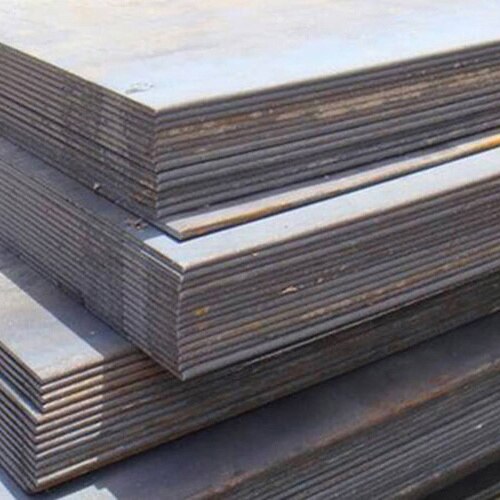 | Alloy Steel Plate Grades View product → |
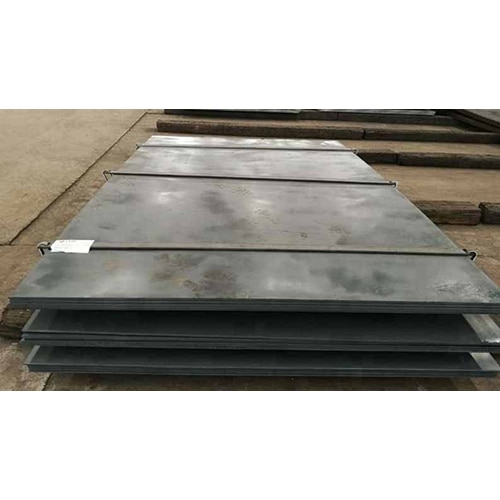 | Alloy Steel Plate Grades View product → |
Frequently asked questions
What does “SA387 Gr 1 by 2” mean on a purchase order?
It is ambiguous wording. ASTM A387/A387M and ASME SA-387 identify grades such as Grade 11 and Grade 22; Class 1 and Class 2 are separate mechanical-property designations. Ask the buyer or engineer to confirm the exact grade, class, thickness and governing edition before requesting a price.
How do SA387 Grade 11 and Grade 22 differ in service?
Grade 11 is a chromium-molybdenum pressure-vessel steel for elevated-temperature service. Grade 22 has higher chromium and molybdenum content, giving stronger resistance to oxidation and hydrogen attack in demanding hot-service environments. Select between them using the design temperature, pressure, process chemistry and welding procedure.
What do Class 1, Class 2 and heat treatment change?
Class 1 and Class 2 define different mechanical-property requirements within the specification; they are not alternative names for Grade 1 and Grade 2. Heat treatment controls the plate’s structure and properties, so verify the specified normalizing, tempering and any additional treatment against the purchase order and material test certificate.
Where are SA387 plates suitable, and when is another material better?
They suit welded pressure vessels, boilers, heat exchangers and process equipment exposed to elevated temperature. Choose another material when you need stainless corrosion resistance, very low-temperature toughness, severe abrasion resistance or a design code that specifies a different alloy.
What should you ask an Indian stockist to prove before purchase?
Request the exact standard and grade, class, dimensions, heat number, plate identification, chemical analysis, tensile and impact results where specified, heat-treatment record, ultrasonic testing report if required, and a traceable mill test certificate. Check that the documents match the stamped plate and your approved purchase specification.
Related products
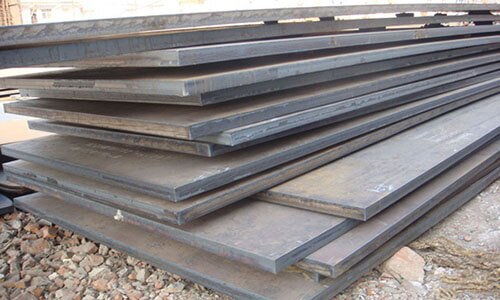 | Alloy Steel Plate Grades View product → |
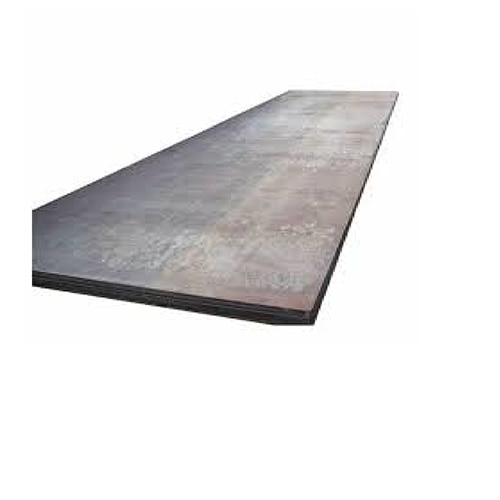 | Alloy Steel Plate Grades View product → |
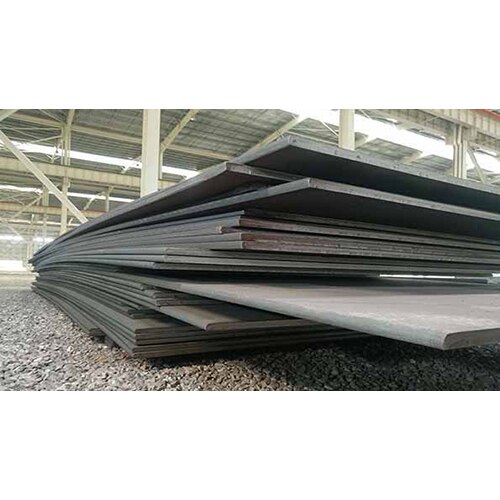 | Alloy Steel Plate Grades View product → |
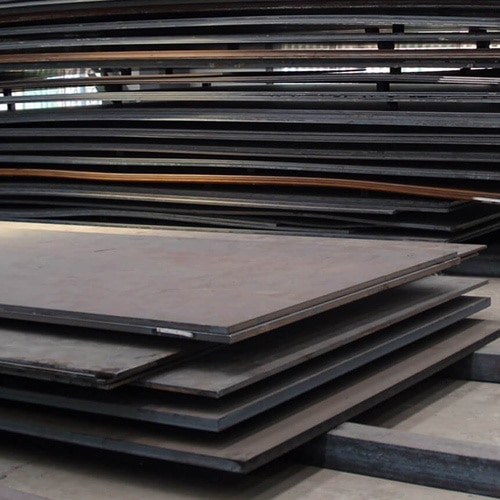 | Alloy Steel Plate Grades View product → |