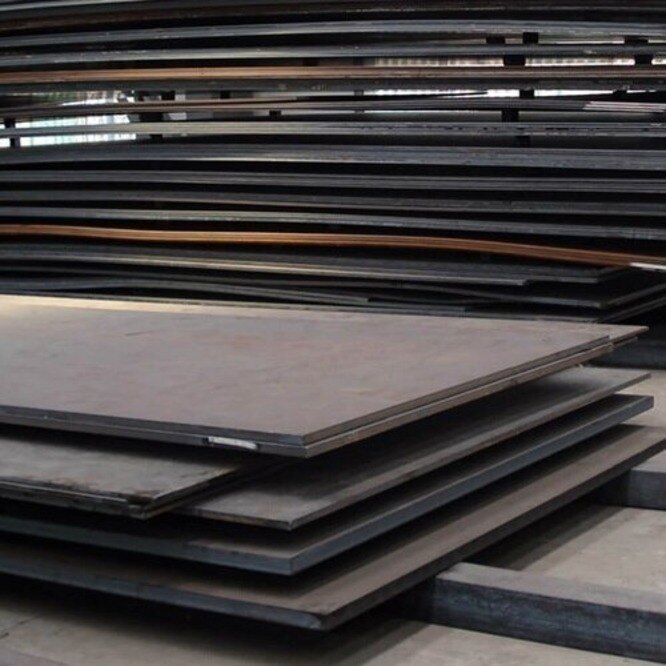
A Rockstar 400, 450 or 500 label does not tell you enough to approve a plate for service. You need to connect hardness, wear mechanism, dimensions, certificates and fabrication controls before selecting stock or replacing a liner. By the end, you will know how to compare grades, verify delivery documents and specify a maintainable plate system.
Key takeaways
- Treat Rockstar 400, 450 and 500 as hardness classes, not complete specifications.
- Match plate grade and thickness to abrasion, impact, load and temperature.
- Request dimensions, material certificates, heat numbers and traceability records before buying.
- Design liner joints and lifting points for safe, fast replacement.
What Rockstar 400, 450 and 500 Actually Specify
Rockstar 400, 450 and 500 normally identify approximate nominal Brinell hardness classes—about 400, 450 and 500 HBW—not complete material specifications. “Rockstar” is not an internationally standardised grade, so the name does not establish chemistry, toughness, temperature capability or equivalence with every AR400 or AR500 plate.
Before buying, require the supplier to state:
- The nominal hardness range, hardness tolerance and test method, such as EN ISO 6506-1 or ASTM E10.
- The delivery condition, including quenched and tempered status where applicable.
- The chemical composition and applicable product standard.
- The inspection document and heat number linking each plate to its test results.
Higher hardness usually improves resistance when hard particles slide across the surface. Compared with a lower-hardness grade, it can reduce impact tolerance, cold-bending capacity and weldability; confirm the permitted radius and welding procedure for the actual thickness.
Hardness alone cannot establish field life. Abrasive particle size, load, impact, gouging, microstructure, toughness and moisture can change performance substantially. A supplier calling itself a Rockstar wear plate supplier in India cannot support a service-life claim from Brinell hardness alone.
ASTM G65 provides a controlled dry-sand, rubber-wheel laboratory comparison based on mass loss. Use it to compare materials under that test condition, not to predict service life in gouging, impact, wet, corrosive or high-temperature duty.
Choose the Grade and Thickness for the Wear Mechanism
Impact and shock loading call for the lower hardness class that meets the wear need; hard particles sliding across a surface with little impact justify considering a higher class. Do not select by hardness alone: gouging, crusher impact, chute flow, bucket edges and transfer points impose different failure mechanisms.
- Gouging or crusher impact: prioritise toughness, ductility and crack resistance; choose a lower class when bending or difficult field welding also dominates.
- Chute flow or sliding abrasion: consider higher hardness when impact is limited, but confirm microstructure and abrasion-test evidence.
- Bucket edges: balance abrasion, impact, bending radius and weld repair requirements.
- Material transfer points: assess particle size, drop height, moisture, corrosion and support spacing before choosing grade or liner design.
Select thickness for wear allowance, structural stiffness, local impact and the planned maintenance interval. Verify the exact thickness, bending limits and expected performance against the producer’s data sheet; a “rockstar 500 plates supplier in india” cannot prove service life from Brinell hardness alone.
Hardness also does not replace a corrosion-resistant alloy, sealed liner joints or a protective coating system.
| Option | Stated hardness | Toughness and weldability evidence | Cost decision |
|---|---|---|---|
| Rockstar, Hardox, Quard, Abrex, Rockhard | Compare declared HBW range and test method | Require impact data, chemistry and grade-specific welding procedure | Compare lead time, nesting and cutting waste with total replacement cost |
| Ordinary structural steel | Usually specified by strength, not wear hardness | Easier to weld; wears faster in severe abrasion | Lower purchase cost can become higher replacement cost |
Ask a rockstar 400 plates supplier in india for the same evidence and delivery date used to compare alternatives. A shorter lead time and fewer welded joints can outweigh a cheaper plate.
Verify Dimensions, Certificates and Heat Traceability Before Buying
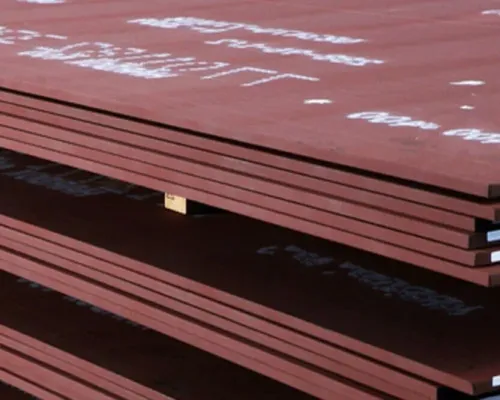
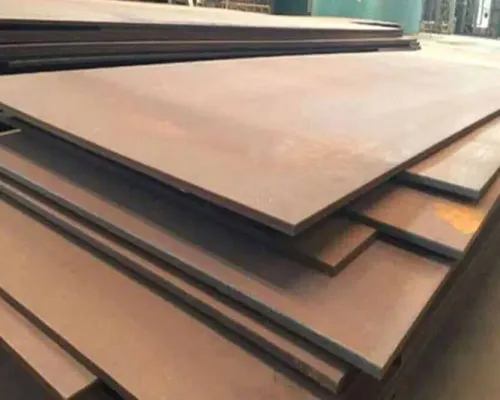
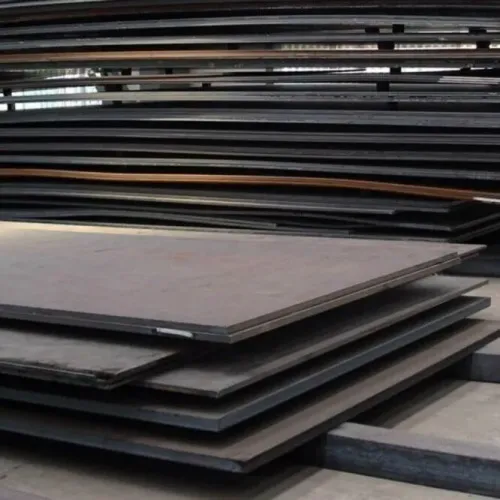
Catalogue availability is not usable stock. Ask a Rockstar wear plate stockist in India for thickness, width and length against each heat number, then compare those dimensions with your nesting plan to limit cutting waste, narrow remnants and welded joints.
| Document | What it proves | What it does not prove |
|---|---|---|
| EN 10204 type 3.1 | Product-specific results approved by the manufacturer’s authorised inspection representative | It does not replace checking the delivered plate |
| EN 10204 type 2.2 | A declaration or non-specific test results | It does not confirm results for your exact heat |
| Invoice or catalogue | Commercial supply information | It does not establish grade compliance or traceability |
Buy thickness and flatness to a named standard such as EN 10029; nominal thickness is not the permitted deviation. Read the certificate for:
- Heat number, chemistry, hardness values and test method
- Tensile data when specified, and impact-test temperature when specified
- Heat-treatment or delivery condition
- Plate dimensions and thickness and flatness tolerances
The plate marking must match the bundle tag, and the bundle tag must match the certificate. If they differ, quarantine the material, photograph every marking and obtain written mill or supplier confirmation before cutting or welding.
Ask Shyam Metals & Alloys to confirm the heat number, exact dimensions, certificate type and dispatch readiness for the available plates, rather than accepting a stockist claim alone. That check also exposes mixed heats and uncertified remnants before they disrupt fabrication or warranty records.
Related product
 | Resistant Plates Rockstar(400 / 450 / 500 ) Width : 1,500mm to 2,500mm Surface Paint : EP, PE, HDP, SMP, PVDF Production : Hot-Rolled (HR) / Cold-Rolled (CR) Material... View product → |
Fabricate Wear Plate Without Losing Its Performance
Set fabrication parameters from the producer’s qualified procedure for the exact grade and thickness. A nominal 400 or 500 hardness label does not determine preheat by itself.
1. Confirm cracking controls before welding: carbon equivalent, plate thickness, joint restraint, hydrogen level, ambient temperature and consumable choice. Set preheat, interpass temperature, heat input and cooling limits only from that procedure. If it calls for low-hydrogen consumables, keep them sealed, store them in the specified heated cabinet and control exposure time after opening.
2. Control heat input during welding and thermal cutting. Excessive heat can soften the heat-affected zone and reduce wear performance; rapid cooling can leave a hardened, crack-sensitive edge. Flame or plasma cutting without approved parameters can also produce dimensional error, so use the producer’s process and finish cut edges as instructed.
3. Drill hardened plate with carbide tooling or a producer-approved method. Conventional high-speed-steel tooling can fail quickly, overheat the hole and leave an inaccurate opening. Record hole size and edge condition before assembly.
4. For bending, verify rolling direction, die opening and minimum inside radius on the actual data sheet. Do not copy mild-steel settings or publish fixed fabrication values without grade- and thickness-specific approval.
A rockstar wear plate supplier in india should provide these instructions with the certificate and heat number, not merely quote “400” or “500.” If the procedure is missing, stop fabrication and obtain written approval before cutting, drilling, bending or welding.
Design Liners for Replacement, Not Just Initial Wear Life
Set the wear allowance from measured thickness loss, duty severity and the planned inspection interval—not from the plate’s hardness number alone. Divide large surfaces into sections workers can lift, reach and remove safely, so one worn area does not force a full shutdown.
- Map the mechanism: sliding abrasion, impact, gouging, material flow or corrosion. Set the section thickness and replacement interval against measured loss, local loads and structural stiffness.
- Choose bolting or welding after checking access, substrate thickness, distortion risk and future downtime. Use countersunk holes where projecting bolt heads would catch flowing material.
- Detail joints without exposed steps, open gaps or unsupported edges. Leave clearance for thermal movement and inspection when service temperature demands it.
- Mark each installed section with its heat number and location. That record turns the next inspection into a wear-history decision rather than a guess.
- Before acceptance, verify the mechanism, grade, thickness, dimensions, MTC, heat traceability, qualified fabrication procedure and access for the next shutdown.
A catalogue listing does not prove usable stock. Ask a rockstar wear plate stockist in india for heat number, thickness, width, length and certificate availability; mixed heats or uncertified remnants can defeat traceability and welding control. A rockstar 500 plates supplier in india must also provide compatible fabrication guidance and replacement sections with realistic availability.
The same test applies to a rockstar 500 plates supplier in india or rockstar 400 plates supplier in india: certified dimensions and maintenance support matter more than a trade-name promise.
Frequently asked questions
What do Rockstar 400, 450 and 500 specify?
They normally identify approximate nominal Brinell hardness classes of 400, 450 and 500 HBW. The name alone does not define chemistry, toughness, temperature capability or equivalence to every AR400 or AR500 plate.
How do you choose between Rockstar 400, 450 and 500 wear plate?
Choose by the wear mechanism: sliding abrasion, impact, crushing, load, operating temperature and required thickness. Higher hardness is not automatically better when impact toughness, forming or welding governs the design.
What should you verify before buying Rockstar wear plate?
Confirm ordered grade, thickness, width, length, tolerances, surface condition, material certificate, heat number and the supplier’s traceability from each plate to its test documents.
How can you fabricate Rockstar wear plate without reducing performance?
Use the supplier’s grade-specific cutting, forming, preheating and welding instructions. Control heat input and interpass temperature, select compatible consumables, and avoid uncontrolled heating that can alter the heat-affected zone.
How should wear-plate liners be designed for replacement?
Provide practical panel sizes, accessible fasteners or weld zones, lifting points, joint clearances and a replacement sequence. Design around inspection and removal time, not only the first liner’s expected wear life.