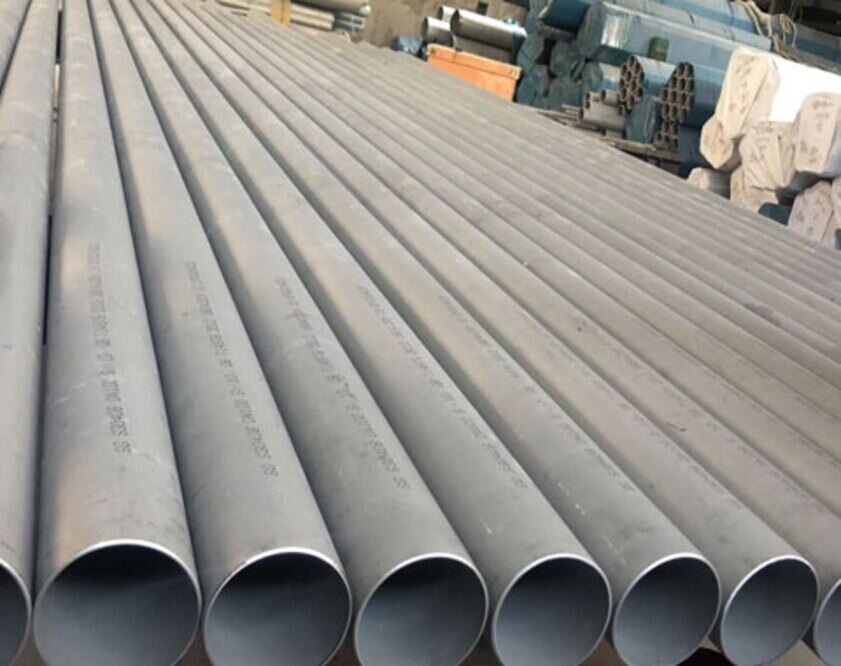
Abrex 400 is selected for machinery that loses metal through contact with ore, aggregate, scrap, coal or other bulk material, but the grade number alone does not predict service life. You will be able to match the plate to the wear mechanism, choose between Abrex 400, 450 and 500, assess thickness and fabrication risks, and verify what an Indian supplier is actually offering.
Key takeaways
- Abrex 400 means approximately 400 HBW hardness, not 400 MPa strength.
- Choose Abrex 450 or 500 when impact and abrasion demand higher hardness.
- Control preheating, cutting and welding to avoid fabrication cracks.
- Verify grade, heat number, hardness and test documents before purchase.
What Abrex 400 Means Beyond the Grade Number
ABREX 400 is a nominal Brinell hardness class: the 400 points to approximately 400 HBW, not 400 MPa yield strength. In an operating machine, that hardness helps resist cutting and scratching when rock, ore, aggregate or scrap slides across the plate. It does not promise a fixed service life.
| Grade | Meaning in service |
|---|---|
| ABREX 400 | Balanced wear resistance, impact tolerance and fabricability for general liners |
| ABREX 450 | More hardness and sliding-wear resistance, with less forming margin |
| ABREX 500 | Highest hardness of these three, but a poorer default for severe impact or complex fabrication |
A 400 plate lasts longer only when the wear mechanism matches it and the support is sound. Expect faster loss where large particles strike at high energy, material gouges rather than slides, the plate flexes between supports, or a sharp impact angle concentrates force.
Measure thickness at known wear points and compare the loss rate with the replacement interval; that forecast is more useful than a catalogue life claim.
If you search for abrex 400 plates manufacturer in india, ask for JFE Steel as the original mill, the heat number, nominal grade, thickness, hardness results and certificate traceability. An Indian stockist or cut-to-size fabricator is not automatically the ABREX mill manufacturer.
Where Abrex 400 Works in Indian Machinery
A hopper liner that develops deep grooves, punched-out holes or a visibly thinner loading zone is losing life to abrasion, not merely suffering cosmetic damage. ABREX 400 is commonly used where bulk material slides across steel and where repeated impact still matters.
| Component | Typical duty | Wear evidence to inspect |
|---|---|---|
| Crusher liners | Gouging and impact from stone or ore | Deep grooves, ridges and local cratering |
| Hopper and chute liners | Sliding flow of aggregate, coal, sand or clinker | Polished wear tracks and reduced plate thickness |
| Conveyor transfer points | Impact as material changes direction | Pits, bulges around fasteners and torn edges |
| Excavator and loader bucket liners | Digging, sliding and impact | Thin floors, worn side plates and enlarged holes |
| Mining screens | Repeated contact with abrasive particles | Widened openings and thinning around supports |
| Batching-plant bins and scrap equipment | Concrete ingredients or sharp metal pieces | Punctures, gouges and distorted liner panels |
Check the existing part before specifying replacement plate. Measure thickness at unworn and worn locations, record the material size and drop height, and mark where wear concentrates. A uniform reduction points to sliding abrasion; isolated craters, torn edges or cracked welds indicate impact that also demands attention to support and attachment design.
Choose abrasion-resistant plate when wear, rather than corrosion or structural overload, controls replacement intervals. Frequent liner changes, declining throughput from altered chute geometry, or holes that contaminate the product are practical signs that ordinary structural steel is the wrong service material.
The grade alone cannot predict life: impact angle, sliding speed, plate support and material hardness decide the result.
How to Choose Abrex 400, 450 or 500 for the Wear Duty
Choose Abrex 400 when the machine faces mixed sliding wear, moderate impact and repeated fabrication or replacement work. Its approximately 360–440 HBW range gives useful abrasion resistance without the full toughness and forming penalties of Abrex 450 or Abrex 500.
Select the harder grade when severe sliding or gouging wear dominates and impact loading is controlled.
| Grade | Approximate hardness band | Choose it when |
|---|---|---|
| Abrex 400 | 360–440 HBW | Sliding wear, moderate impact, easier fabrication and balanced service life |
| Abrex 450 | 400–480 HBW | Heavier sliding or gouging wear justifies extra hardness |
| Abrex 500 | 450–530 HBW | Extreme abrasive duty outweighs reduced toughness and greater fabrication difficulty |
Do not choose the hardest plate for a crusher liner or bucket that receives large rock impacts without checking the failure pattern. A brittle, over-hard selection can crack or spall while Abrex 400 survives longer through better impact tolerance.
Select thickness from the required wear allowance, load carried by the part, unsupported span and available forming radius—not from hardness alone. A thicker Abrex 400 can outperform a thinner Abrex 500 where bending or impact is the dominant failure. Specify the exact grade, thickness, dimensions, surface condition and certified replacement quantity.
“400 BHN plate” does not prove genuine ABREX material or equivalent chemistry and toughness. For a search such as “abrex 450 plates manufacturer india,” request the original JFE Steel mill name, heat number, hardness results and certificate traceability; an Indian seller may be an importer or fabricator, not the mill.
Fabricating and Installing Abrex Plate Without Losing Its Advantage
The fabrication procedure must control heat, hydrogen and restraint; otherwise a sound Abrex 400 plate can crack at the edge, lose hardness beside a weld, or fail at a bend.
- Cutting: Treat thermal-cut edges as a potential heat-affected zone. State on the drawing whether the edge may remain as-cut; grind or remove it before welding or service when specified, then inspect for cracks.
- Drilling: Use rigid fixturing, sharp carbide tooling and cutting coolant. Do not force a blunt drill through the hardened surface, because heat and vibration can damage the hole edge.
- Bending: Use the grade- and thickness-specific minimum inside radius. Check rolling direction before forming, and never apply a mild-steel bend allowance or heat the plate with a torch unless the approved procedure permits it.
- Welding: Use a qualified welding procedure with low-hydrogen consumables, dry electrode storage, controlled preheat and interpass temperature, suitable heat input and a planned sequence that reduces restraint.
The exact preheat and interpass limits depend on grade, thickness, hydrogen level, joint restraint and welding process. Record them in the welding procedure rather than choosing one temperature for every job.
Keep welds away from cut edges when the design allows. A hardened cut edge beside a restrained weld is a common crack-starting combination. Do not overheat the surrounding plate: excessive heat input widens the softened zone and leaves the wear surface vulnerable to early gouging.
How to Specify and Verify Abrex Plates in India
A seller’s Indian address does not prove that the plate is mill-made ABREX. For a search such as abrex 500 plates manufacturer india, distinguish JFE Steel’s ABREX brand from an importer, stockist or cut-to-size fabricator.
1. Request the original mill name, ABREX grade, nominal thickness, plate dimensions, heat number and mill test certificate. Ask whether the certificate is EN 10204 3.1 and confirm that its heat number is stamped or transferred onto the plate.
2. Check the certificate’s hardness method, test location, plate thickness and acceptance range. Published bands are about 360–440 HBW for ABREX 400, 400–480 HBW for ABREX 450 and 450–530 HBW for ABREX 500; use the product edition cited on the certificate, not a seller’s “400 BHN” description.
3. Match the certificate to the replacement drawing: thickness after wear allowance, width, length, holes, weld details, rolling direction and required cut allowance. Ask for photographs of markings before cutting.
4. Describe the actual failure—sliding wear, gouging, impact, cracking or distortion—and provide the old part’s thickness and support arrangement. Hardness alone cannot establish replacement suitability.
Shyam Metals & Alloys can be asked to separate mill-supplied documentation from its own cutting or fabrication records, so you know which company is accountable for each stage.
Reject a plate with missing heat traceability, mismatched certificates, unexplained hardness results or a grade substituted without written engineering approval.
Frequently asked questions
What does Abrex 400 mean?
Abrex 400 identifies a nominal Brinell hardness class of approximately 400 HBW. It describes wear resistance, not a fixed yield strength or service life.
Where are Abrex 400 plates used in Indian machinery?
They are used for wear zones such as crusher liners, hopper plates, chutes, bucket parts, conveyor transfer points and dump-body interiors handling rock, ore, aggregate or scrap.
How do you choose between Abrex 400, 450 and 500?
Choose according to the balance between abrasion, impact, forming and weldability. Abrex 400 suits general wear duty; 450 or 500 suits more severe sliding abrasion when the design and fabrication procedure support the harder plate.
How should Abrex plate be fabricated and installed?
Use the supplier's approved cutting, preheating, interpass-temperature and welding procedure. Keep heat input controlled, use compatible low-hydrogen consumables and avoid sharp internal corners that concentrate stress.
What should you verify when buying Abrex plates in India?
Check the grade designation, plate dimensions, heat or batch number, hardness results, mill test certificate, traceability markings and the supplier's identity before accepting the material.