SA 537 Class 1 is a normalized pressure-vessel plate, not a direct substitute for every chromium-molybdenum plate used around instrumentation systems. You will be able to match the grade to pressure-retaining and structural components, compare it with SA 387 Grade 12 Classes 1 and 2, and request the records needed to verify an Indian supplier’s quotation.
Key takeaways
- SA 537 Class 1 is normalized carbon-manganese-silicon pressure-vessel plate.
- Do not confuse SA 537 Class 1 with chromium-molybdenum SA 387 Grade 12.
- Match plate choice to temperature, pressure, hydrogen, and corrosion conditions.
- Request test certificates, heat numbers, dimensions, and traceability before purchase.
What SA 537 Class 1 plate actually specifies
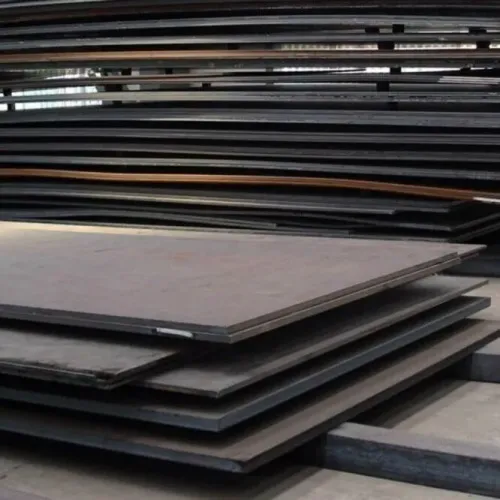
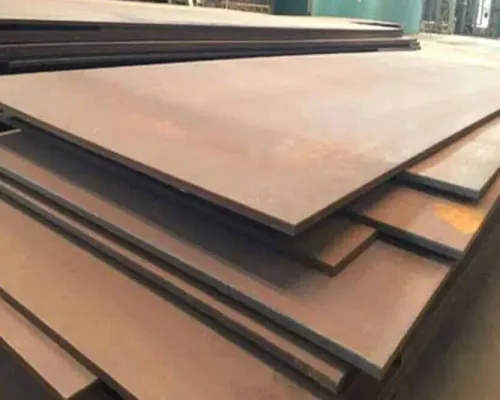
SA 537 Class 1 is a heat-treated carbon-manganese-silicon pressure-vessel plate supplied in the normalized condition. It is not a chromium-molybdenum grade like SA 387 Grade 12, despite catalogue wording such as “alloy steel plate.”
The commonly specified mechanical minimum is 50 ksi (345 MPa) yield strength, with 70–90 ksi (485–620 MPa) tensile strength and 22% minimum elongation in a 2 in. (50 mm) gauge length. These are specification requirements, not the result for every plate: the mill test report must confirm the actual heat.
Check these points before accepting a quotation for a sa 537 cl1 grade for alloy steel plate supplier in india:
- “Normalized” means the plate received the specified normalizing heat treatment. “Normalized rolled” describes controlled rolling intended to produce a normalized-type structure, but it is not automatically identical to furnace normalization.
- “As rolled” means no claim of normalizing treatment or normalized-rolled condition. Do not accept it where the order requires normalized SA 537 Class 1 plate.
- ASTM A20/A20M supplies general requirements for manufacture, testing, dimensions and tolerances, marking, repairs and certification.
- Confirm the complete SA designation, applicable ASTM/ASME edition, thickness table and incorporated A20/A20M requirements.
A certificate stating only “alloy steel plate” cannot establish compliance. Match the chemistry, heat treatment, dimensions, tests and heat number to the order and the MTR.
Where SA 537 Class 1 fits in an instrumentation package
SA 537 Class 1 fits pressure-retaining instrumentation equipment only when the governing design code permits it for the pressure boundary. Instrument chambers, separators and vessel shells can use it when their design temperature, pressure and fabrication requirements match the specification.
Skid frames, analyzer shelters, brackets and instrument supports are non-pressure-bearing items; structural steel or another plate specification may be more suitable.
| Component | Material form | Selection point |
|---|---|---|
| Instrument chamber, separator or vessel shell | Pressure-vessel plate | Use SA 537 Class 1 only when the approved code and pressure-boundary design specify it |
| Skid frame, shelter or support | Structural plate or section | Do not impose a pressure-vessel grade without a design reason |
| Impulse tubing | Tubing | Specify the required tube material, wall, corrosion resistance and joining method |
| Manifold body or small-bore fitting | Forging, bar or fitting | Use the component standard, not a plate specification |
| Thermowell | Bar, forging or machined product | Check process temperature, velocity, erosion and corrosion requirements |
Select against design temperature and pressure, thermal cycling, hydrogen exposure, chloride exposure, welding procedure, preheat, post-weld heat treatment and weld-overlay compatibility. SA 537 Class 1 is not a substitute for a Cr-Mo grade in elevated-temperature hydrogen service.
Charpy toughness is not automatic. For low-temperature service or a project code, state the test temperature, specimen orientation, number of tests and acceptance criteria in the purchase order. SA 537 Class 1 alone does not qualify equipment for wet H2S service; invoke the specified NACE or ISO requirements, including hardness and environmental controls.
An alloy plate supplier for instrumentation must therefore quote the pressure-boundary application separately from tubing, forgings and fittings.
SA 537 Class 1 versus SA 387 Grade 12 Class 1 and Class 2
SA 537 Class 1 is a normalized carbon-manganese-silicon pressure-vessel plate. SA 387 Grade 12 is a chromium-molybdenum plate, with chemistry typically about 0.80–1.15% chromium and 0.44–0.65% molybdenum. That difference controls service selection, not the word “plate.”
| Option | Heat treatment and strength | Where it fits |
|---|---|---|
| SA 537 Class 1 | Normalized; commonly 50 ksi minimum yield and 70–90 ksi tensile strength | General pressure-vessel service within the approved design envelope |
| SA 387 Grade 12 Class 1 | Normalized; commonly 40 ksi minimum yield and 65–85 ksi tensile strength | Elevated-temperature or hydrogen-containing service where a normalized Cr-Mo plate is specified |
| SA 387 Grade 12 Class 2 | Quenched and tempered; commonly 60 ksi minimum yield and 75–95 ksi tensile strength | Cr-Mo service requiring the higher Class 2 strength level |
Grade 12 is selected for elevated-temperature and hydrogen-containing refinery or petrochemical equipment because its Cr-Mo chemistry provides resistance and stability benefits that SA 537 Class 1 cannot provide by substitution.
A sa 387 grade 12 class 1 plate is an acceptable alternative only when the design specification permits Grade 12, the service basis supports it, and the engineer formally approves the change.
Class 1 and Class 2 are not interchangeable. The applicable ASTM or ASME edition and thickness table control the actual requirements, so confirm them before quoting. If the purchase specification names SA 537 Class 1 or a sa 387 grade 12 class 2 plate, follow that designation unless the engineer issues formal substitution approval.
How service conditions change the material decision
A pressure boundary exposed to hydrogen, sour water or thermal cycling cannot be specified by grade name alone. Review temperature, hydrogen partial pressure, wet H2S, chloride concentration, startup temperature and cycle frequency against the approved design basis.
| Condition | Specification impact | Selection risk |
|---|---|---|
| Elevated temperature and hydrogen partial pressure | SA 387 Grade 12 is often evaluated for elevated-temperature hydrogen service; its chromium-molybdenum chemistry is not equivalent to SA 537 Class 1. | A carbon-manganese-silicon plate can lack the intended resistance to hydrogen damage. |
| Wet H2S | Define hardness limits, supplementary testing, controlled heat treatment and compliance with a named document such as NACE MR0175/ISO 15156. | “Sour service” cannot be established from the grade designation alone. |
| Low-temperature startup | State Charpy test temperature, specimen orientation, number of specimens and acceptance criteria when required by the code or purchase specification. | A plate can meet tensile values yet fail impact toughness during startup. |
| Chlorides and thermal cycling | Check corrosion allowance, weld-overlay compatibility, thermal-stress analysis and the design code. | Chloride attack or repeated expansion and contraction can shorten pressure-boundary life. |
Confirm the welding procedure specification, preheat, interpass control and post-weld heat treatment before ordering. A high-strength quenched-and-tempered option such as sa 387 grade 12 class 2 plate can complicate forming and welding when the design favours normalized material and specified impact toughness.
The pressure boundary, service envelope and approved design basis must control the choice—not a search phrase such as “sa 537 cl1 grade for alloy steel plate supplier in india.”
What to require from an Indian plate supplier before purchase
Put the requirements in the enquiry before price becomes the only comparison. The purchase order must identify the material, condition, testing and records needed for an instrumentation plate shipment.
1. Name the complete designation: SA-537 Class 1 or SA 387 Grade 12 Class 1 plate, not “Grade 12 plate.” State the ASTM/ASME specification edition, incorporated ASTM A20/A20M requirements, thickness, width, length and delivery condition.
2. State whether Charpy impact testing is required, including test temperature, specimen orientation, number of specimens and acceptance criteria. Add ultrasonic testing, acceptance level and any supplementary requirements, such as through-thickness testing or special weldability controls.
3. Require a mill test certificate showing the heat number, plate number, chemical analysis, yield strength, tensile strength, elongation and impact results where ordered. Include the heat-treatment record, dimensional inspection report and marking details.
4. Require the heat number and plate number to remain traceable after cutting. Record each cut piece against the original plate and retain the marking transfer record; otherwise a later vessel or skid inspection cannot link components to the tested heat.
5. Check that “normalized” or “quenched and tempered” matches the order. Reject a certificate stating only “as rolled” when heat treatment is specified.
6. Ask for the manufacturing country and mill separately from the supplier’s Indian trading location. Ask Shyam Metals & Alloys to quote the exact pressure-vessel or structural application, identify available traceability documents, and separate plate supply from tubing, forgings, fittings and fasteners governed by other standards.
Related products
 | Alloy Steel Plate Grades View product → |
 | Alloy Steel Plate Grades View product → |
Frequently asked questions
What does SA 537 Class 1 plate specify?
SA 537 Class 1 specifies normalized, heat-treated carbon-manganese-silicon pressure-vessel plate; it is not a chromium-molybdenum grade.
How does SA 537 Class 1 compare with SA 387 Grade 12 Class 1 and Class 2?
SA 537 Class 1 is a normalized carbon-manganese-silicon plate, while SA 387 Grade 12 is a chromium-molybdenum plate. Class 2 has higher strength requirements than Class 1 under the applicable specification.
Where does SA 537 Class 1 fit in an instrumentation package?
It can serve pressure-containing or structural plate requirements associated with instrumentation systems when the design specification accepts its chemistry, strength, heat treatment, and toughness.
What should you require from an Indian plate supplier before purchase?
Request the material test certificate, heat number, plate dimensions, heat-treatment condition, chemical and mechanical test results, marking details, and traceability records.