Thank you for writing to us. One of our executive will reach back to you through your submitted medium. In case there’s an urgency, feel free to connect over WhatsApp for faster response.
Prefer calling? Dial +9108048039001 (international callers) or 08048039001 (Indian callers).
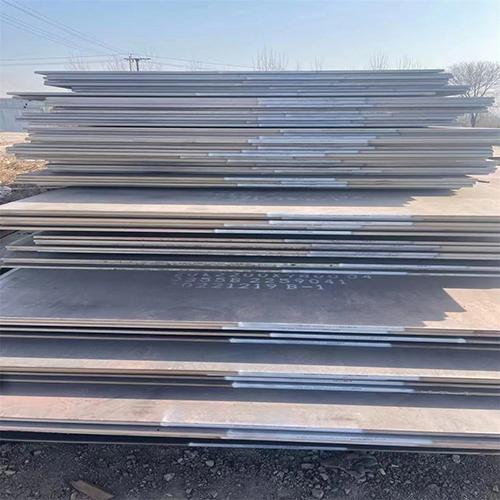
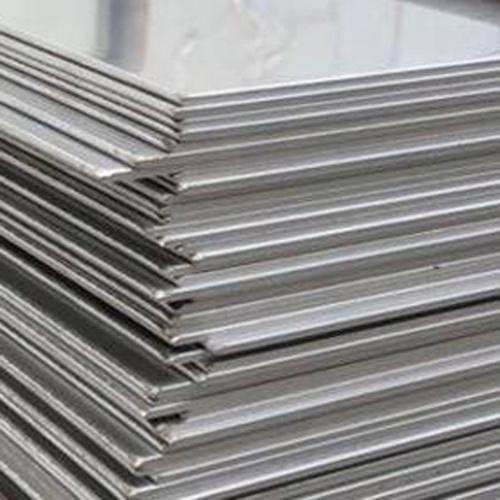
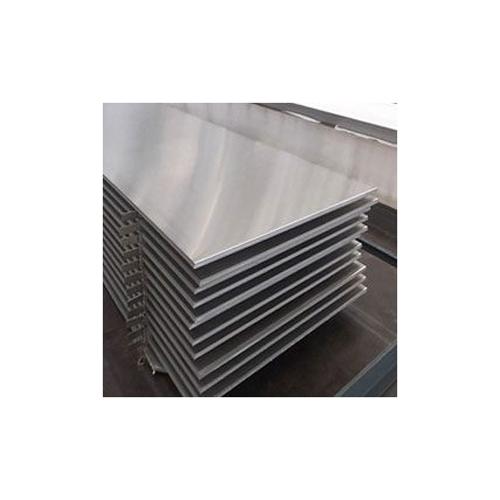
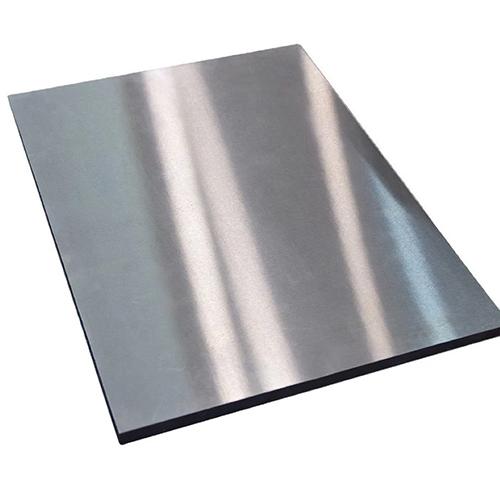
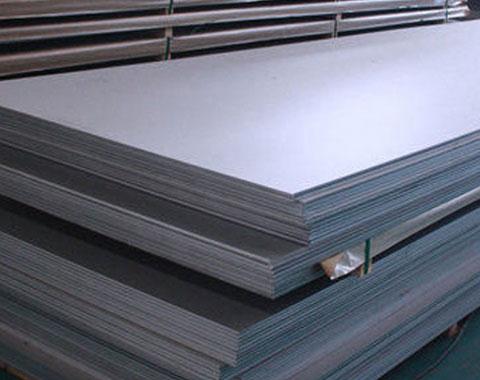
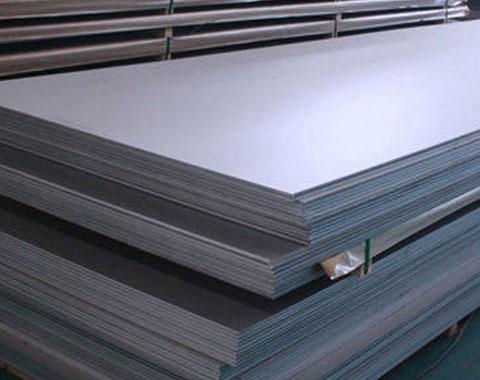
Resistant plates, often called wear-resistant or abrasion-resistant plates, are specialized components designed to withstand high levels of wear, tear, and impact. They are typically made from high-strength alloys like stainless steel, ceramics, or composites. These plates are used in industries where equipment is exposed to significant friction, impact, and abrasion, such as construction, mining, and manufacturing.
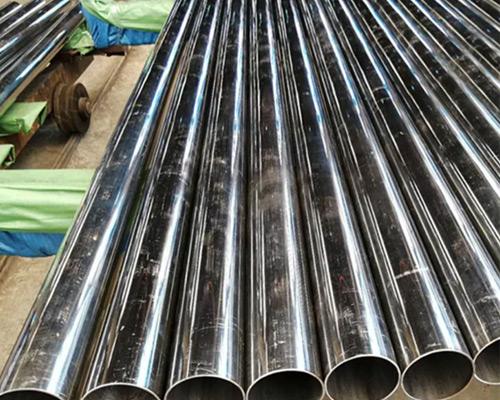
While “pipe” and “tube” are often used interchangeably, they have distinct meanings in engineering and manufacturing, particularly in terms of sizing and application. Pipes are primarily used for fluid conveyance, while tubes are more versatile and can be used in structural applications.
Sheet and plate are different forms of metal based on their thickness. Sheets are generally thinner, while plates are thicker. A common distinction is that sheets are typically less than 6mm thick, whereas plates are 6mm or thicker.
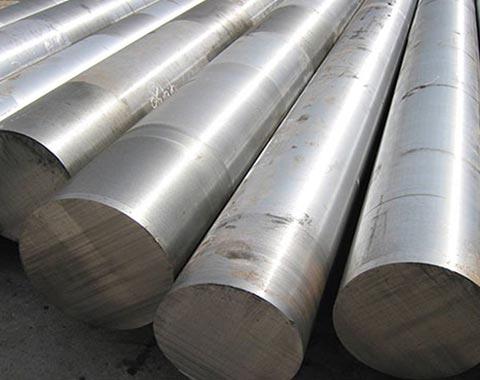
Round bars, also known as round steel or bar stock, are cylindrical metal bars with a consistent circular cross-section. They are commonly used in various industries, including construction, manufacturing, and machining, due to their versatility and strength. Round bars are available in different materials, lengths, and diameters to suit various applications.
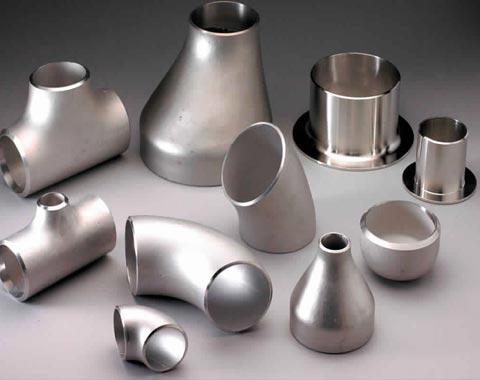
Buttweld fittings are pipe fittings designed to be welded directly to the ends of pipes using a butt weld. They are used to connect pipes, change direction, branch off, or reduce pipe size, and are typically found in industrial applications where a strong, leak-proof connection is required.
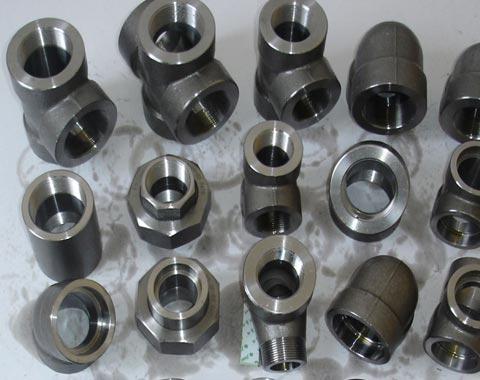
Socket weld fittings are used to join pipes, valves, or flanges by inserting the pipe into a recessed portion of the fitting and securing it with a fillet weld. They are commonly used in applications where a high-pressure, leak-proof connection is required, and are often preferred for smaller diameter piping.
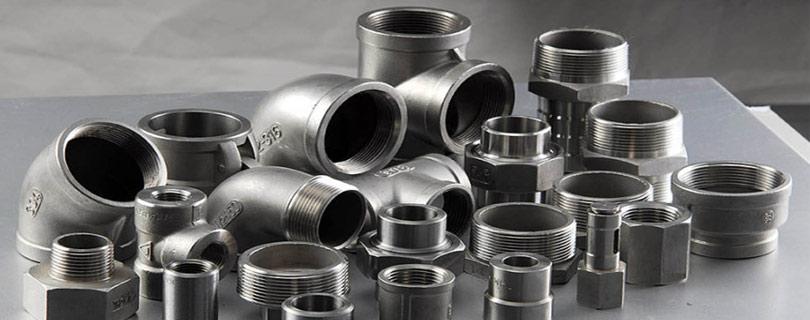
Forged Fittings are used for associating or connecting pipes, pimps, valves & other equipments to create a piping system below the size of 2 or 4 inches in diameter. There are mainly two types of forged fittings called socket-weld fittings which are connected to pipes by fillet welds and second one is threaded fittings in which the pipe is screwed onto the fittings. Forged Fitting joints are made by bolting together two Forged fittings with a gasket between them to give a seal.
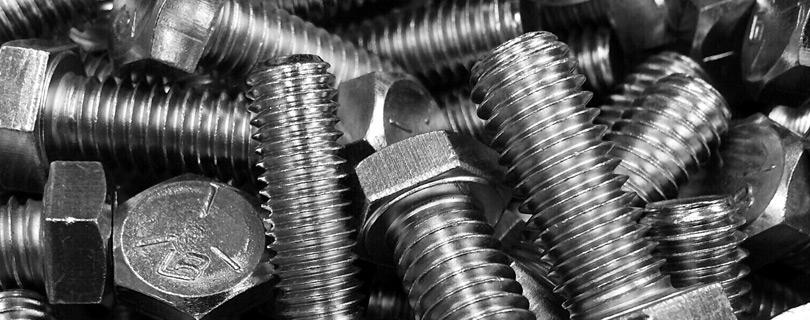
A fastener or fastening is a hardware device that mechanically joins or affixes two or more objects together. In general, fasteners are used to create non-permanent joints; that is, joints that can be removed or dismantled without damaging the joining components. Welding is an example of creating permanent joints. The most common types are the screw, nut and bolt, possibly involving washers. Other more specialized types of threaded fasteners include captive threaded fasteners, stud, threaded inserts, and threaded rods.